Creating a productive home office environment is essential for anyone working remotely or running a business from home. With the right setup and habits, you can enhance your focus, organisation, and overall work satisfaction. This guide offers practical tips to help you make the most of your home workspace.
Choose the Right Location
Find a Quiet Spot
Selecting a quiet, low-traffic area of your home helps reduce distractions. Ideally, choose a room or corner with a door to separate work from the rest of your home life.
Consider Natural Light
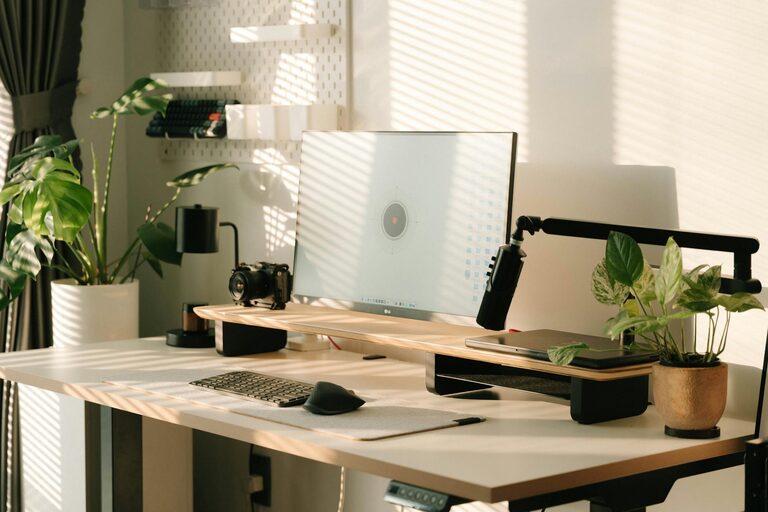
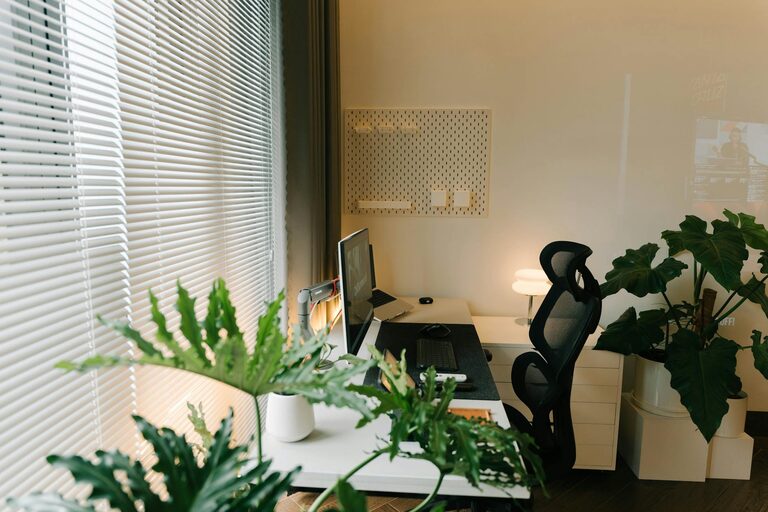
Natural light boosts mood and energy levels. Position your desk near a window to benefit from daylight, but be mindful of glare on your screen.
Ensure Adequate Space
Make sure your chosen space is large enough for a desk, chair, and any equipment you need. Having enough room prevents clutter and helps maintain organisation.
Invest in Ergonomic Furniture
Comfortable Chair
An ergonomic chair that supports your back encourages good posture and reduces the risk of discomfort during long working hours.
Suitable Desk
Choose a desk at the right height to keep your arms at a 90-degree angle while typing. Adjustable desks can provide the option to alternate between sitting and standing.
Proper Screen Position
Keep your computer screen at eye level to avoid neck strain. Monitor stands and adjustable arms can help you achieve the correct setup.
Organise Your Workspace
Declutter Regularly
Keep only essential items on your desk to minimise distractions. Store other materials in drawers or shelves.
Use Organisers
Desk organisers, filing trays, and cable management tools can keep paperwork, stationery, and cords tidy and accessible.
Label Storage
Label boxes or folders to quickly find what you need without wasting time searching.
Control Noise and Distractions
Use Noise-Cancelling Headphones
Headphones can block out background noise and help you stay focused, especially in busy households.
Set Boundaries
Communicate your working hours to family or housemates, so they know when you shouldn’t be disturbed.
Limit Disruptions
Turn off non-essential notifications on your devices and consider using website blockers during work sessions.
Optimise Lighting and Temperature
Layered Lighting
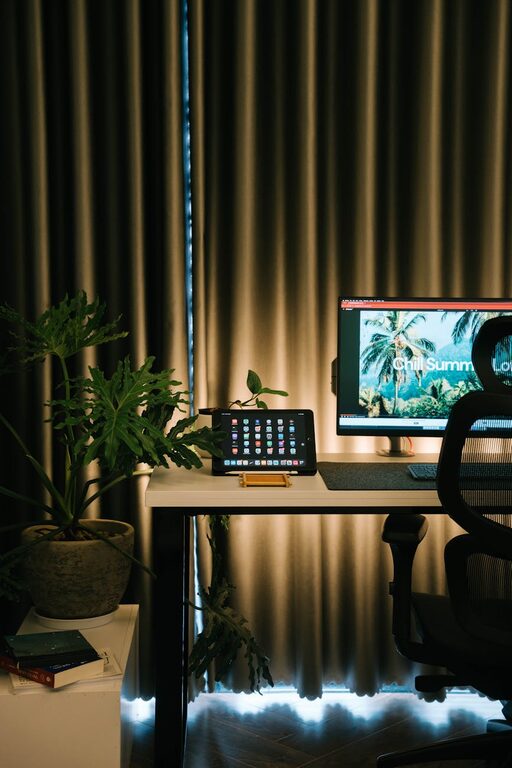
In addition to natural light, use a combination of overhead lighting and a desk lamp to reduce eye strain.
Maintain Comfortable Temperature
A room that is too hot or cold can affect concentration. Use fans, heaters, or open windows to regulate the temperature.
Personalise Your Space
Add Plants
Indoor plants improve air quality and create a calming atmosphere that can boost creativity and wellbeing.
Inspirational Items
Display pictures, artwork, or motivational quotes that make you feel positive and focused.
Choose Colour Wisely
Soft, neutral colours work well in home offices, but a splash of colour can energise if chosen carefully.
Develop a Routine
Set Working Hours
Define consistent start and finish times to create boundaries between work and home life.
Take Scheduled Breaks
Regular breaks prevent burnout and improve productivity. Try techniques like the Pomodoro method (25 minutes work, 5 minutes rest).
Dress for Success
Wearing work-appropriate clothes can help shift your mindset and prepare you mentally for the day.
Equip Yourself with the Right Tools
Reliable Internet
A fast and stable internet connection is vital for smooth communication and online tasks.
Essential Tech
Invest in a good quality computer, headset, printer, and any other tools specific to your work.
Backup Power
A surge protector or uninterruptible power supply (UPS) can protect your devices and prevent data loss during outages.
Maintain Good Health Habits
Stay Hydrated
Keep a water bottle at your desk and drink regularly to stay alert.
Stretch Often
Incorporate stretches or short walks into your day to reduce stiffness and improve circulation.
Ergonomic Breaks
Rest your eyes by following the 20-20-20 rule: every 20 minutes, look at something 20 feet away for 20 seconds.
—
Creating a productive home office environment is a combination of thoughtful space design, good habits, and the right equipment. With these tips, you can build a workspace that supports focus, comfort, and efficiency, making your working day smoother and more enjoyable.
About the Author