
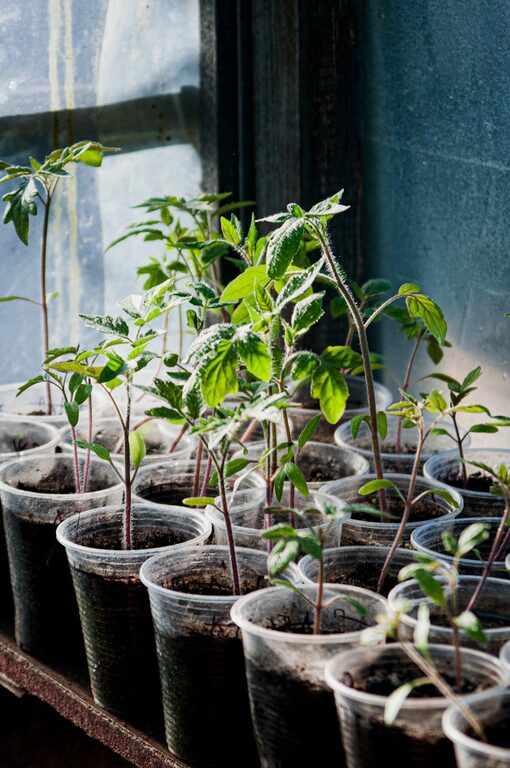
Creating a sustainable and eco-friendly home garden is a rewarding way to connect with nature, reduce your environmental impact, and enjoy fresh, homegrown produce or beautiful plants. Whether you have a large garden or a small balcony, adopting sustainable practices can help create a thriving green space that supports local wildlife and conserves resources.
In this post, we’ll explore practical tips to help you build and maintain a sustainable garden that benefits both you and the environment.
Why Choose a Sustainable Garden?
Sustainable gardening focuses on methods that minimise waste, conserve water, protect the soil, and encourage biodiversity. By working with nature rather than against it, you reduce your carbon footprint and create a healthier outdoor space.
Some benefits include:
– Lower water and energy usage
– Reduction of harmful chemicals
– Support for pollinators and wildlife
– Improved soil health and fertility
– Increased resilience to pests and weather changes
Planning Your Sustainable Garden
Choose Native and Adapted Plants
Native plants are adapted to your region’s climate and soil, so they require less water, fertiliser, and care. They also provide food and habitat for local wildlife like bees, butterflies, and birds.
When selecting plants, consider:
– Their water and sunlight needs
– Flowering and fruiting seasons
– Whether they attract beneficial insects
Opt for a Mix of Edibles and Ornamentals
Combining vegetables, herbs, fruits, and flowering plants can create a balanced ecosystem in your garden. Many edible plants also attract pollinators, and flowering plants can deter pests naturally.
Soil Health and Composting
Improve Soil Naturally
Healthy soil is fundamental for a thriving garden. Avoid synthetic fertilisers; instead, use organic matter such as compost, manure, or leaf mulch to enrich your soil.
Start Composting at Home
Composting kitchen scraps, garden waste, and paper reduces landfill waste and produces nutrient-rich compost for your garden beds.
Tips for composting:
– Include a balance of green (nitrogen-rich) and brown (carbon-rich) materials
– Turn the pile regularly for aeration
– Keep it moist but not soggy
Water Conservation Techniques
Water is a precious resource, and conserving it helps your garden thrive sustainably.
Use Rainwater Harvesting
Collect rainwater using barrels or storage tanks. This water is free of chemicals and ideal for watering plants.
Mulch to Retain Moisture
Apply organic mulch, such as bark chips or straw, around plants to reduce evaporation, suppress weeds, and maintain soil temperature.
Water Wisely
Water your garden during early morning or late evening to minimise evaporation. Use drip irrigation or soaker hoses to deliver water directly to roots, cutting waste.
Pest and Weed Management
Encourage Beneficial Insects
Ladybirds, lacewings, and certain wasps help control pest populations naturally. Planting flowering herbs like dill or fennel attracts these helpful insects.
Use Natural Pest Controls
Instead of chemical pesticides, try using homemade repellents, companion planting, or physical barriers like nets and collars.
Manage Weeds Organically
Remove weeds by hand or use mulch to prevent their growth. Avoid chemical herbicides that can harm soil and wildlife.
Reducing Waste in Your Garden
Reuse and Recycle
Use recycled containers for planting, save seeds from each growing season, and repurpose garden materials where possible.
Choose Sustainable Garden Tools and Materials
Opt for durable, eco-friendly tools and avoid plastic-heavy items. Wooden stakes, metal tools, and natural fibres have a lower environmental impact.
Supporting Wildlife and Biodiversity
Create Habitats
Incorporate bird feeders, insect hotels, or small ponds to encourage wildlife to visit and help maintain natural balance.
Avoid Chemicals
Switching to organic fertilisers and pest control methods keeps your garden safe for animals and pollinators.
Enjoying the Fruits of Your Labour
A sustainable garden doesn’t just benefit the planet; it also offers fresh air, physical activity, and delicious, homegrown food. Take time to enjoy your garden, observe seasonal changes, and learn from the natural rhythms of your environment.
—
By following these tips, you can develop a garden that respects nature while providing beauty and bounty. Sustainable gardening is a journey — start small, stay consistent, and watch your eco-friendly garden flourish.
About the Author